
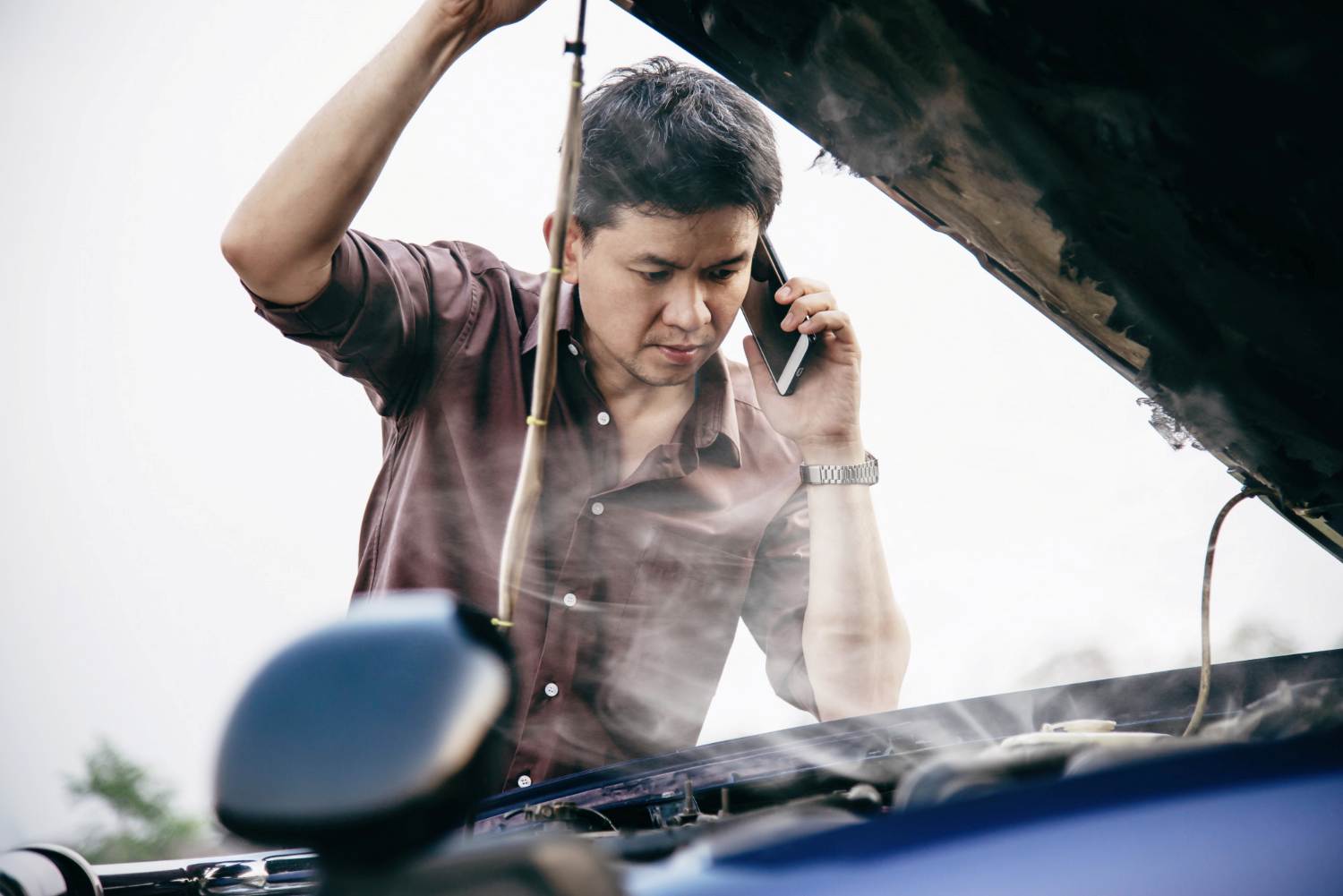
You are cruising along on a warm afternoon when you notice that little temperature gauge creeping higher than usual. Your heart skips a beat. Is your engine about to overheat? It is a stressful moment, especially if you are far from home or stuck in traffic. The good news is you have more control than you think. With a calm approach and a few simple steps, you can protect your engine and keep a small problem from turning into a big repair.
1. Notice early signs quickly
The first thing is to pay attention to what your car is telling you. That rising needle, a warning light, or steam from under the hood are early signs that the engine is getting too hot. You might notice a hot smell or your air conditioning suddenly blowing warm air. When you notice these clues early, you have more options to respond safely. Many drivers ignore the first hint of trouble, hoping it will go away. Instead, treat those first signs as a friendly nudge to act.
2. Pull over safely first
If the gauge keeps climbing or a warning light comes on, your priority is safety. Gently slow down, signal, and look for a safe place to pull over, such as a parking lot or the shoulder of the road where traffic is light. Put the car in park and turn on your hazard lights so other drivers see you. Take a breath and give yourself a moment to think. Do not rush to pop the hood right away. Let the car sit and cool for several minutes before you even consider looking under there.
3. Let the engine cool
Engines run very hot during normal use, and an overheating one is even hotter. Opening the hood too soon can expose you to steam or very hot metal. After you pull over, turn off the engine but leave the key in the accessory position if you want the fan or radio. Wait at least 10 to 15 minutes before lifting the hood. Use this time to check your surroundings and consider your next step. Once things have cooled, you can safely open the hood and take a quick look for obvious leaks or loose hoses without touching anything.
4. Check coolant carefully
When the engine has cooled, you can look at the coolant reservoir, which is usually a clear plastic tank near the radiator. You should see a mark for minimum and maximum level. If the coolant is low, that might be the reason your engine is getting hot. Never twist open a hot radiator cap, since hot coolant can spray out. If you have the right coolant and things are cool enough to touch comfortably, you can add some to the reservoir, not to the hot radiator. This may help get you gently back on the road to a nearby shop.
5. Know when to call
Sometimes the best repair move is to stop driving. If your car overheats again soon after cooling, if you see a large puddle under the vehicle, or if the engine makes new noises, it is time to call for help. A tow might feel like a hassle but continuing to drive an overheating car can cause much bigger problems later. Calling a trusted repair shop or roadside service lets you lean on people who handle this every day.
Moments like these test your patience, but they also remind you that taking care of your car is really about taking care of your peace of mind. When you respond calmly, listen to the signs, and reach out for help when needed, you turn a stressful situation into a manageable one and give your car the careful attention it deserves.