
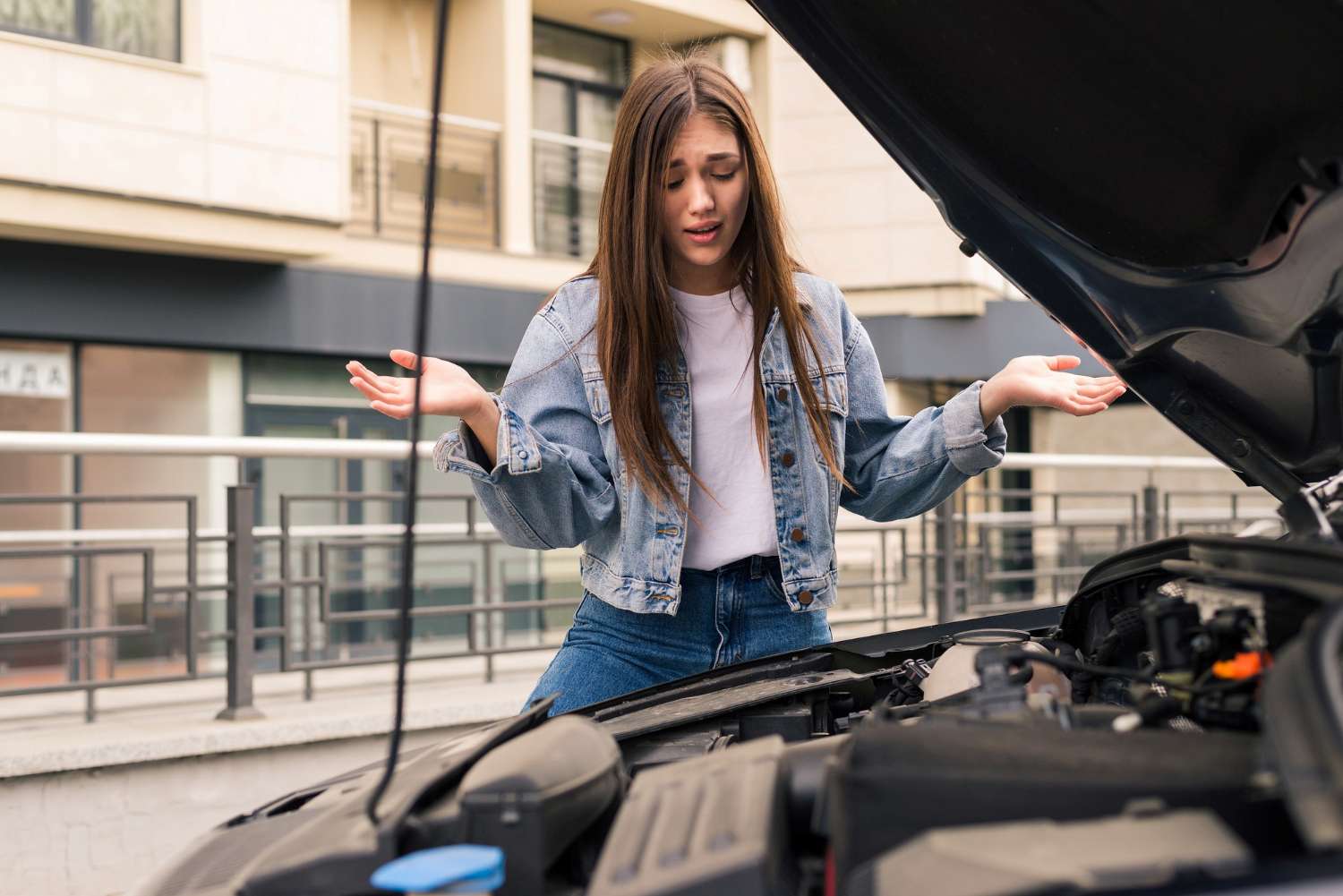
Most drivers expect their car to start every time they turn the key or press the ignition button. But one of the most common reasons a vehicle refuses to start is a weak or failing battery. The problem is that batteries often lose performance gradually, making it easy to miss the warning signs until you're stranded.
Over time, corrosion can build up around the battery terminals and affect the flow of electricity. This white or bluish residue may seem minor, but it can make starting your vehicle more difficult. Regularly inspecting the terminals and cleaning away corrosion helps maintain a strong electrical connection and supports reliable battery performance.
Headlights, interior lights, charging cables and other electrical accessories can slowly drain your battery if they remain on after the engine is turned off. Even something as simple as leaving a door slightly open overnight can weaken the battery. Making it a habit to check that everything is switched off before leaving the vehicle can help prevent unnecessary battery drain.
Car batteries recharge while the engine is running. If a vehicle sits unused for long periods, the battery may gradually lose its charge. Taking your car for regular drives, especially if it is not your primary vehicle, helps keep the battery charged and reduces the risk of finding it dead when you need it most.
A slow engine crank, dim headlights or dashboard battery warning light can all indicate that the battery may be losing strength. These signs should not be ignored because they often appear before the battery fails completely. Having the battery tested early can help you decide whether it needs charging, maintenance or replacement before it leaves you stranded.
The battery is often overlooked during regular vehicle maintenance, even though it plays a vital role in starting the engine and powering electrical systems. Having it checked during routine service allows technicians to inspect its condition, test its performance and identify potential issues before they become major problems. Preventive maintenance is usually much easier and less expensive than dealing with an unexpected roadside breakdown.
Your car battery may be small, but it has a big impact on the reliability of your vehicle. Looking after it with simple maintenance and regular inspections can help you avoid unnecessary stress and costly delays. By keeping the terminals clean, watching for warning signs and checking the battery as part of routine service, you can improve its lifespan and enjoy greater confidence every time you get behind the wheel.