
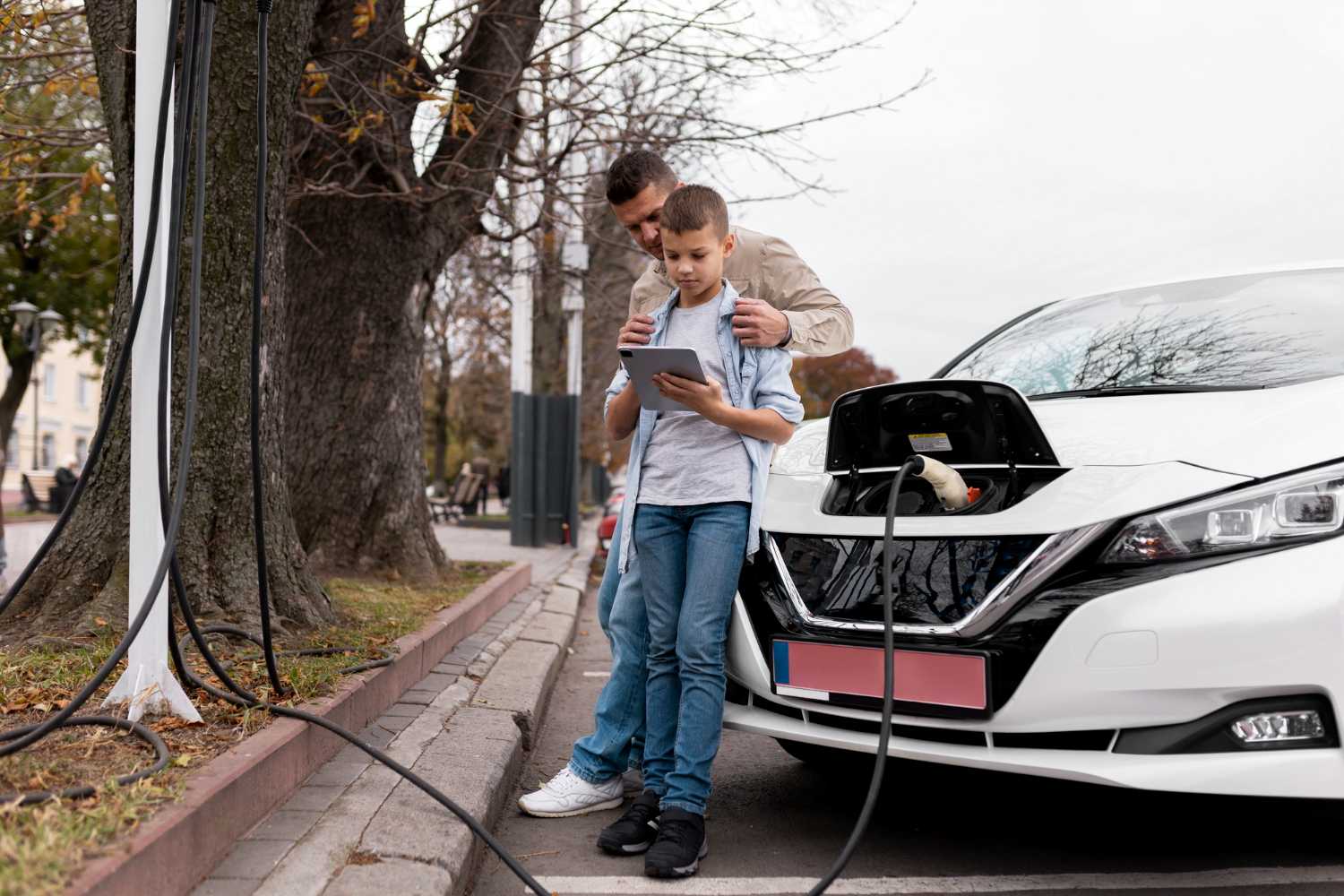
Choosing between an electric vehicle (EV) and a traditional gasoline-powered car involves more than comparing fuel costs and driving performance. Maintenance is another important factor that can influence your ownership expenses over time. While both types of vehicles need regular inspections and care, their mechanical systems have different requirements. Understanding these differences can help you plan your maintenance budget, avoid unexpected repairs and keep your vehicle running efficiently.
Gas-powered vehicles rely on internal combustion engines with several moving components that require regular servicing. Engine oil changes, oil filter replacements, spark plug inspections and fuel system maintenance are all part of routine care. Electric vehicles use electric motors and batteries instead of traditional combustion engines, eliminating the need for engine oil changes, spark plug replacements and many fuel-related services. This simpler mechanical design can reduce routine maintenance requirements and save time during ownership.
Both electric and gasoline-powered vehicles require properly functioning brakes, but their braking systems often experience different levels of wear. Many electric vehicles use regenerative braking, which converts some of the energy generated during deceleration into electricity to recharge the battery. This reduces reliance on traditional friction brakes and can extend the lifespan of brake pads and rotors. However, EV owners should still arrange regular brake inspections because corrosion, moisture and general wear can affect braking components.
Battery care is an important part of electric vehicle maintenance. The high-voltage battery powers the motor and requires appropriate temperature management to maintain performance and longevity. Follow the manufacturer's recommendations for charging habits, software updates and battery inspections. Gas-powered vehicles also depend on electrical systems, including the starter, alternator, conventional battery and sensors. Regular checks help both types of vehicles maintain reliable operation.
Tires and suspension systems need attention regardless of the vehicle you drive. Electric vehicles often carry heavier battery packs and deliver instant torque, which can increase tire wear depending on driving habits and tire specifications. Gas-powered cars also experience tire wear from road conditions, driving style and vehicle weight. Check tire pressure regularly, monitor tread depth, rotate tires according to the manufacturer's schedule and arrange wheel alignments when necessary.
Gas-powered vehicles require several fluids, including engine oil, coolant, transmission fluid and brake fluid. Their filters also need periodic replacement to maintain engine performance. Electric vehicles eliminate engine oil and fuel filter maintenance, but they may still require brake fluid checks, coolant servicing for battery or motor temperature management and cabin air filter replacements. Exact requirements vary by model, so always follow the manufacturer's maintenance schedule.
Electric vehicles generally have fewer moving drivetrain components, which can reduce certain routine servicing expenses. However, specialized high-voltage repairs, battery-related issues and electronic component replacements can involve significant costs. Gas-powered vehicles may require more frequent engine and transmission servicing as they accumulate mileage. Comparing maintenance costs, warranty coverage, local service availability and replacement part prices can help you understand the long-term ownership expenses of both options.
Electric and gasoline-powered vehicles each require consistent maintenance, but their servicing needs differ considerably. EVs generally need fewer routine mechanical services, while gas-powered cars require regular attention to engines, oil and fuel systems. Regardless of your choice, following the manufacturer's maintenance schedule and addressing warning signs early can help extend your vehicle's lifespan and maintain reliable performance. An experienced auto repair professional can help you understand the specific servicing requirements of your vehicle.