
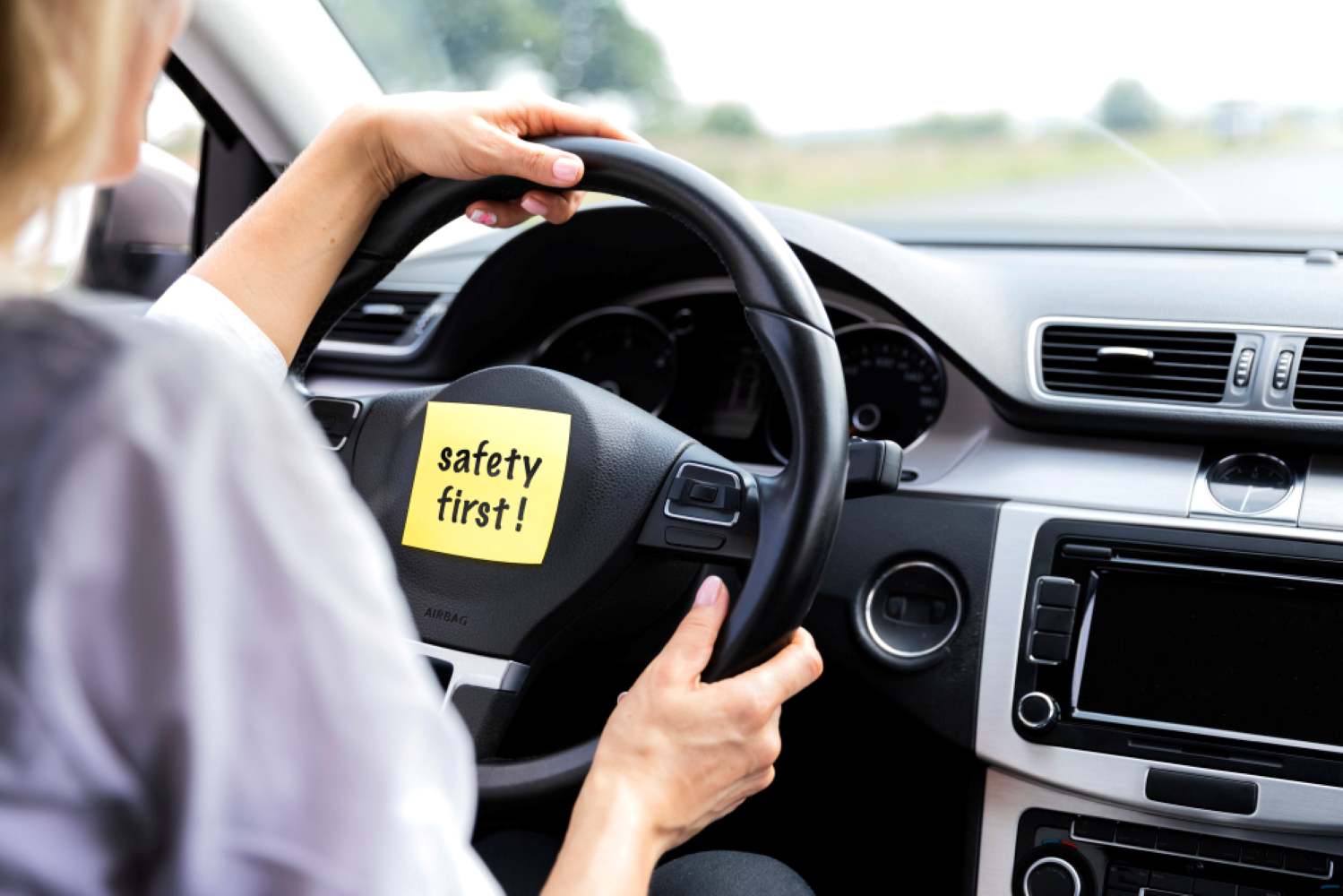
Staying safe on the road is about more than quick reflexes or a good set of tires. It is about knowing how to respond when the weather turns bad, the road gets slick, or visibility drops. Professional drivers learn early that preparation and calm habits matter more than courage. The good news is that any everyday driver can use the same simple techniques to feel more confident when conditions are far from perfect.
1. Slow down with purpose
Speed limits are set for ideal conditions, not heavy rain, snow or fog. When the road is hazardous, easing off the gas is the simplest way to stay safe. Slowing down gives your tires more time to grip and your mind more time to react. Instead of tapping the brakes at the last second, look farther ahead and coast gently whenever you can. Picture yourself creating a safety bubble around your vehicle. The larger that bubble, the more room you have if something unexpected happens.
2. Use smooth steering inputs
Professional drivers learn that jerky motions unsettle a vehicle, especially on wet or icy roads. Smooth steering, gentle braking and light acceleration help your tires do their job. Imagine there is a cup of hot coffee on your dashboard and you are trying not to spill it. Small, steady movements make it easier to keep control if your wheels start to slip. If you do feel the car slide a little, stay calm, look where you want to go, and guide the wheel in that direction without sudden twists.
3. Increase your following distance
On a clear, dry day, many drivers follow too closely without thinking about it. In rain, snow or heavy traffic, that habit becomes risky. Try counting slowly after the car in front of you passes a sign or a tree. In safe conditions aim for at least three seconds. In bad weather or at night, stretch that to five or more. The extra space means you do not need to slam the brakes if someone ahead slows or stops. That cushion of time protects you from surprises and also makes the ride smoother for your passengers.
4. See and be seen
Hazardous conditions often start with poor visibility. Turn on your headlights whenever you use your wipers and check that all lights are working before long drives. Keep your windshield inside and out clean so glare is reduced at night. In heavy rain or fog, avoid relying only on daytime running lights, since they may not light your tail lights. When visibility drops, reduce speed and avoid staring at oncoming headlights. Let your eyes move and focus on the right edge of the road when needed.
5. Prepare your vehicle early
Safe driving begins before you start the engine. Professional drivers pay close attention to simple checks because they know small issues grow during bad weather. Make it a habit to look at your tires, wipers and lights regularly instead of waiting for a problem. Keep a basic emergency kit in your trunk with a flashlight, jumper cables, warm clothing, water and simple tools. Having these items ready brings peace of mind and helps you stay calm if you are delayed or conditions worsen.
Safe driving in hazardous conditions is really about patience and steady habits. When you slow down, leave extra space and keep your vehicle prepared, you are treating your time on the road with care. Each careful decision adds up, helping every trip feel a little more controlled and a little less stressful, no matter what the weather decides to do.